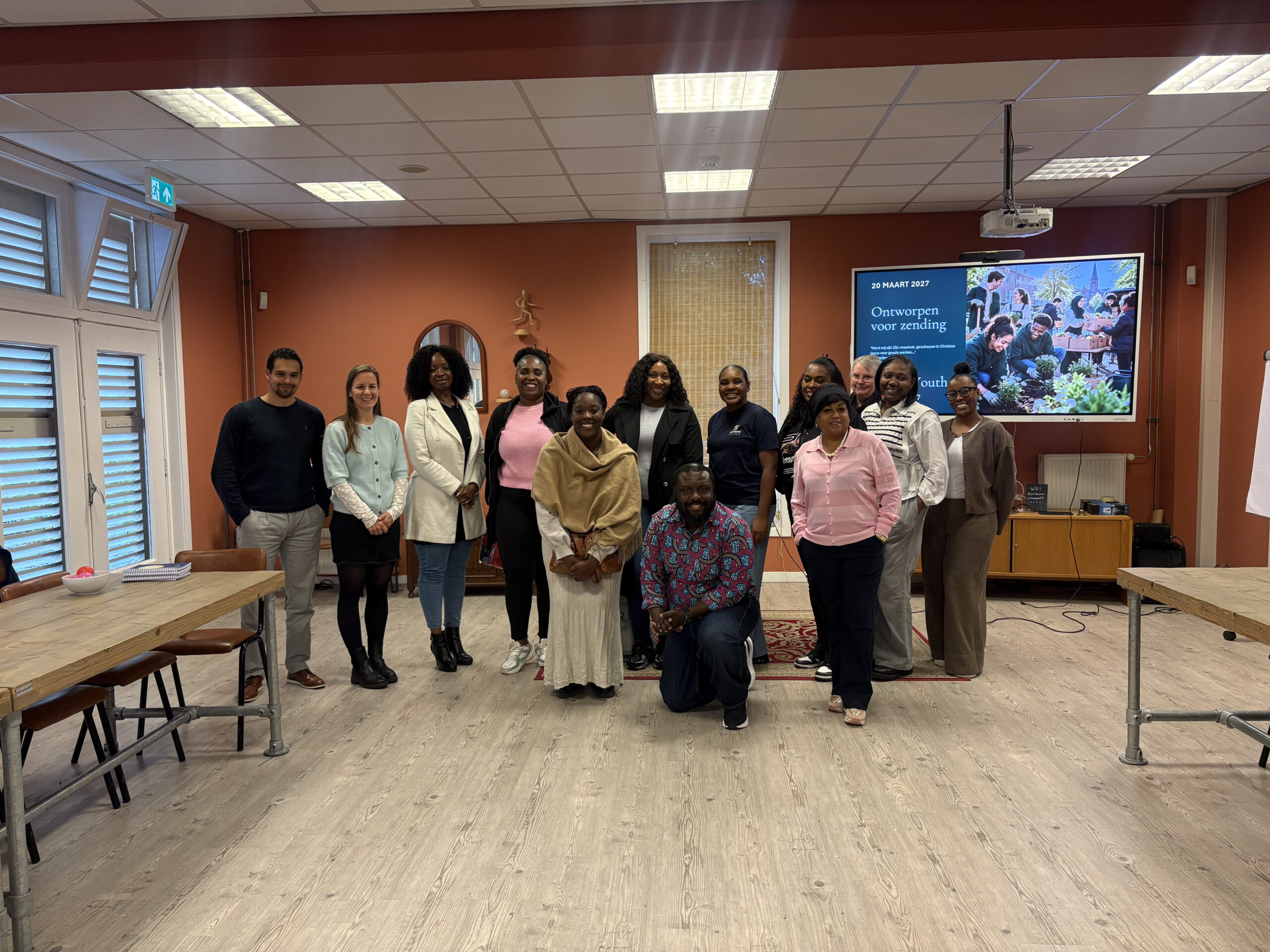
How can we help young people not only stay connected to the church but also actively live out their faith? This question was at the heart of the Youth Leader Training on Sunday, 11 October 2026. Participants came together to discuss the future of youth ministry in the Netherlands and explore how they can help young people grow as followers of Jesus.
More Than Just Organising Activities
The training focused on one important question: Are we simply keeping young people in church, or are we preparing them to live for Jesus and reach others?
This question encouraged participants to take a closer look at youth ministry. After all, youth ministry is about more than organising activities and events.
Above all, it is about helping young people grow in their faith. It also means giving them responsibilities and opportunities to discover and use their talents.
Although fewer youth leaders attended than expected, the discussions were meaningful. One important message stood out: real change begins with us.
Before we can help others follow Jesus, we must first build a personal relationship with Him.
First, we allow Christ to shape our lives. Then, we help others follow Him.
Giving Young People an Active Role in the Church
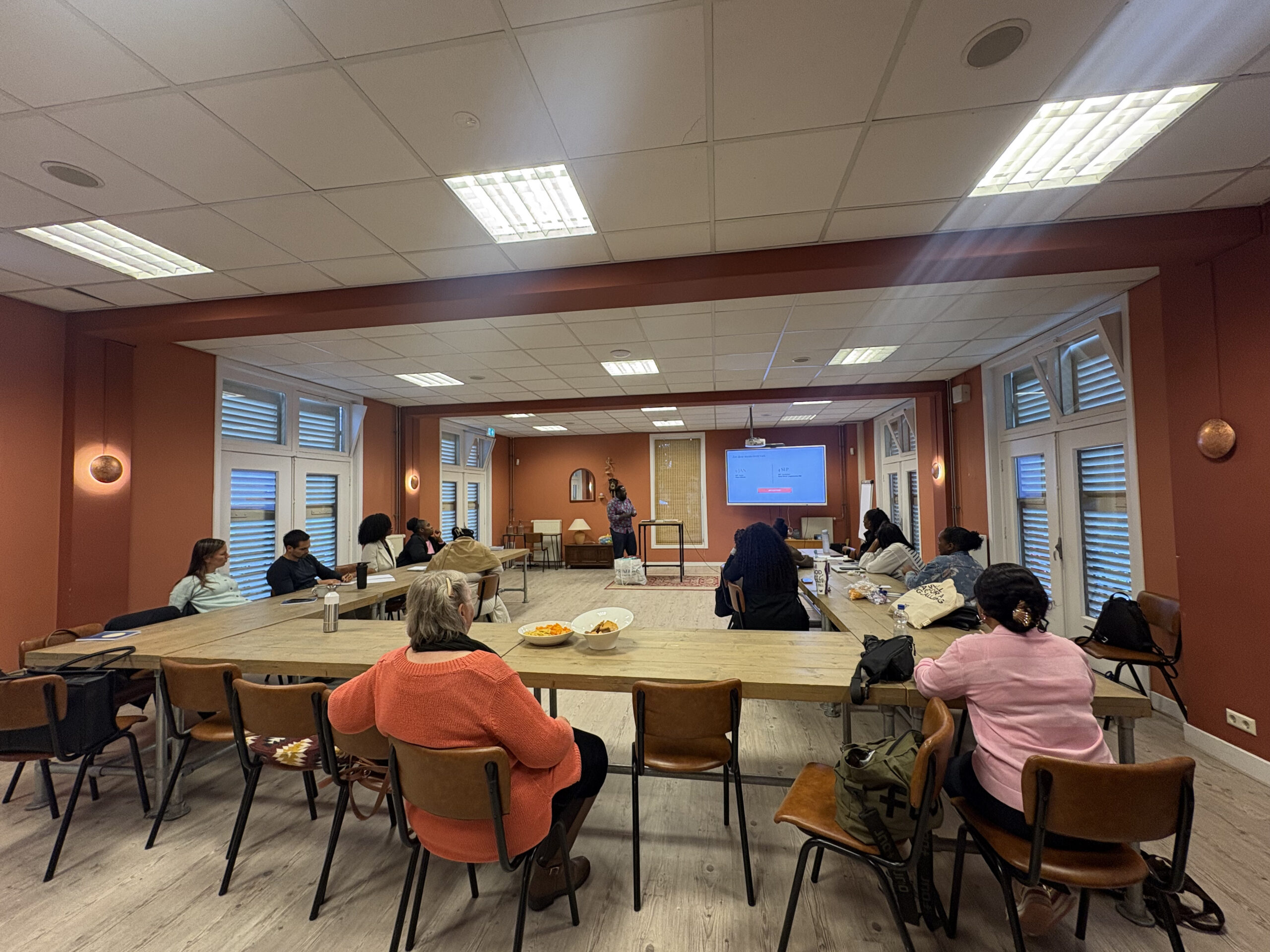
During the morning session, youth leaders shared their experiences and ideas. Together, they discussed the challenges facing their youth groups.
How can we help young people feel that they truly belong? And how can we encourage them to use their talents?
Participants reflected on the importance of giving young people more than activities to attend. They also need opportunities to take responsibility, contribute to their church communities, and discover what faith means in everyday life.
Therefore, churches should not only invite young people to participate but also encourage them to take an active role in the church’s life and mission.
Turning Ideas into Practical Plans
In the afternoon, participants put their ideas into practice. Using an evangelism model, they developed plans to support different groups within the church.
These included young adults, young professionals, and single parents.
Together, they explored the needs of these groups and discussed how local churches could respond.
One important goal was to encourage people to move from being spectators to active contributors.
Church members do not simply come to receive something. They can also help build communities where others feel welcome, grow in faith, and support one another.
A Church Where Everyone Belongs
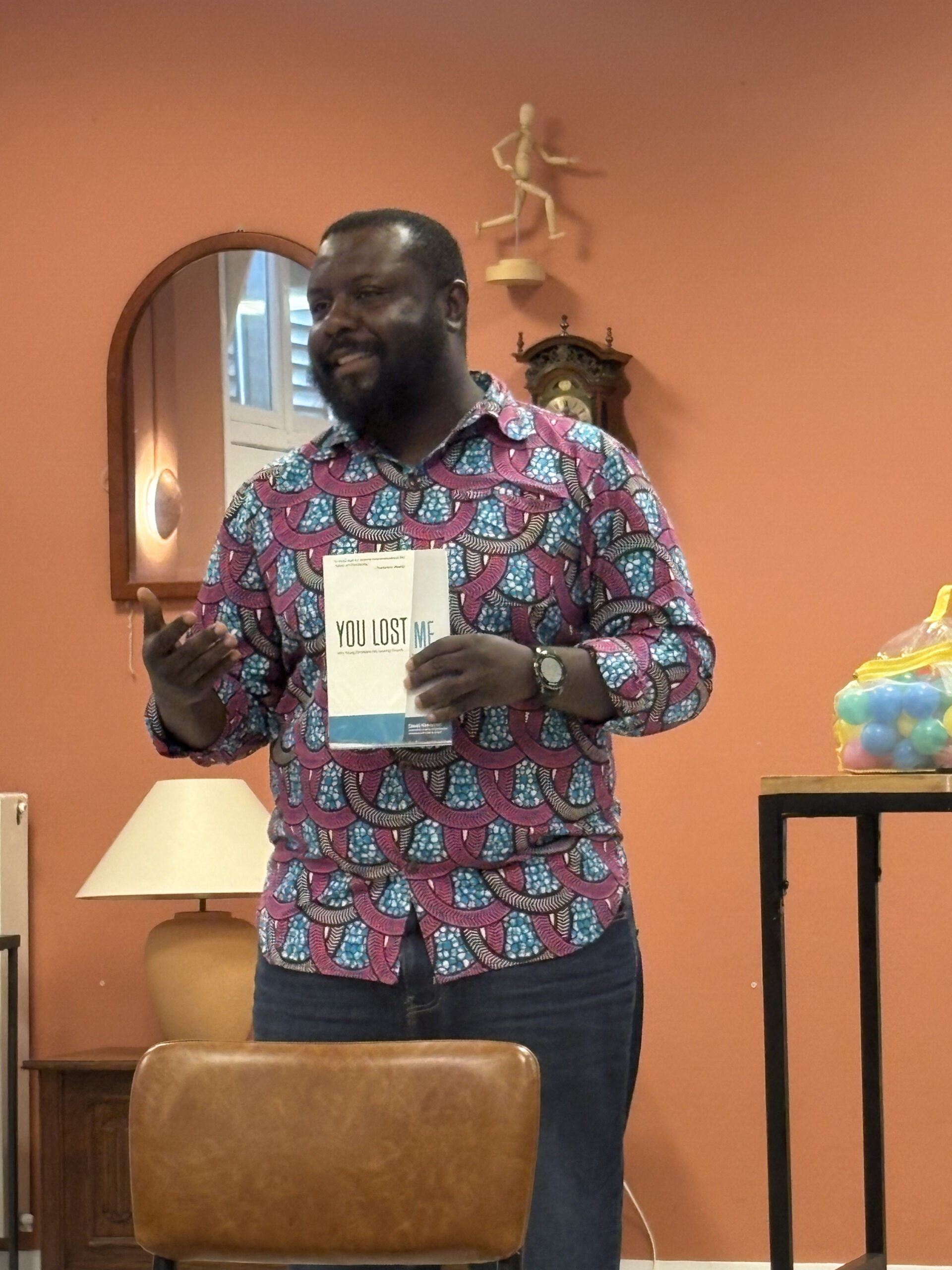
One key lesson from the training was that the church consists of different generations and groups. Everyone needs connection, personal attention, and a sense of belonging.
Therefore, churches must look beyond their existing programmes. By creating opportunities for people to share their gifts and experiences, they can build stronger communities.
Whether someone is young, raising a family, or balancing work and other responsibilities, everyone has something valuable to contribute.
Growing Together as Disciples of Jesus
The Youth Leader Training showed that effective youth ministry goes beyond organising programmes. It is about discipleship: helping people follow Jesus and encouraging them to guide others along the same journey.
The challenge now lies with local churches. How can they turn these insights into practical action?
By working together, sharing responsibilities, and making room for everyone’s gifts, we can build churches where people of all generations grow in faith.
Because our mission is not simply to keep young people in church, but to help them become disciples of Jesus who inspire others to follow Him.